

Why Cardiovascular Techs Are in High Demand
Reviewed by Kalpana Mahatpure, MSc, RDCS, RDMS (AB, Ob/Gyn), RVT
March 23, 2017
Updated December 3, 2025
According to the CDC, heart disease kills one in five Americans, and is the leading cause of death for both men and women. The U.S. Administration on Aging tells us that people 65+ made up about 17% of the population in 2023, but are expected to make up 22% of the population by 2040. With heart problems affecting seniors the most, cardiovascular technologists will be heavily relied on to help diagnose heart disease.
Even though the medical community has taken remarkable strides in informing at-risk women about heart disease over the last decade, it remains the leading cause of death in females. Heart disease is often thought to be a “man’s disease”, and many women don’t receive treatment for a variety of reasons, like being busy caring for others or even dismissing symptoms as something else like a panic attack or a cold.
 N A I T /
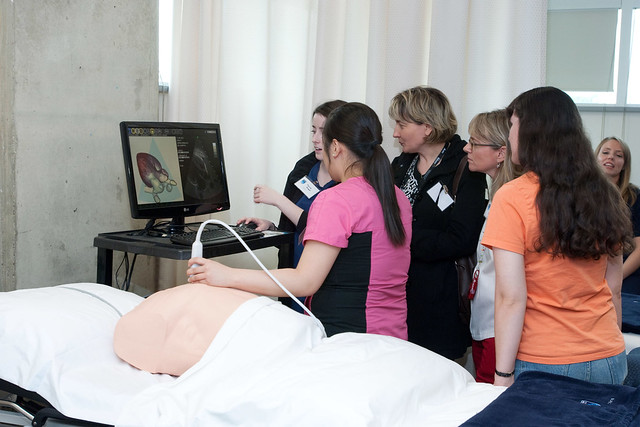
 In addition to family history, individuals who smoke, have high LDL cholesterol levels, or have been diagnosed with hypertension are those with the highest risk of cardiovascular disease. Diabetes, obesity, inactivity and a poor diet can further increase heart disease in individuals.
 Stanford EdTech / Flickr / CC BY-NC-ND
Where Cardiovascular Technologist Jobs Are in High Demand and the Impact of Their Roles in Hospitals
Around 77% of cardiovascular techs find careers in general hospital settings, though there are opportunities in a variety of sectors like imaging centers, physician clinics, laboratories, specialty hospitals and outpatient care centers. Not only are you working in a high growth industry, but you're also helping patients with cardiac and vascular conditions get the answers and diagnoses they desperately need.
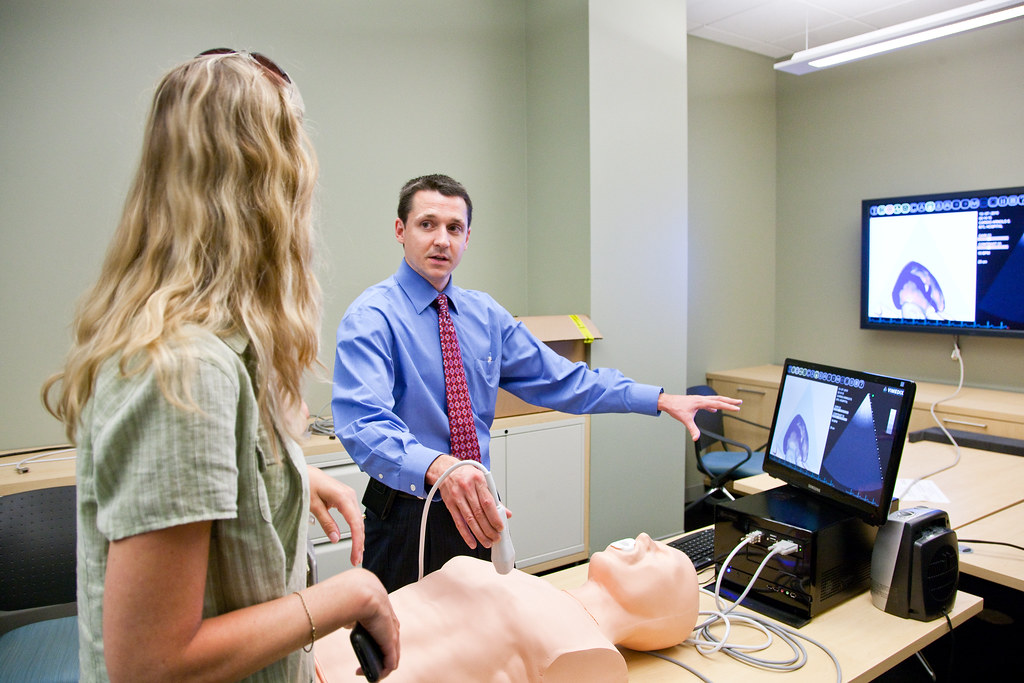
Cardiovascular technologists are integral members of the medical team. Using state-of-the-art technologies, cardiovascular techs use EKG machines to analyze heart function and ultrasounds to detect defects like arrhythmia, blockages, blood clots and congenital heart disease in patients of all ages. Their findings can mean the difference between life and death.
Registered cardiovascular technologists usually perform echocardiograms and other non-invasive testing under the supervision of a doctor. More experienced cardiovascular techs may be depended upon to perform a wide variety of diagnostic testing, including vascular ultrasound or more invasive procedures like cardiac catheterization.
 Stanford EdTech / Flickr / CC BY-NC-ND
Understanding the Growth in Cardiovascular Technology and Cardiac Care
The cardiovascular tech industry continues to grow, requiring ongoing education and work adaptations. Several advancements enhance heart disease prevention, diagnosis and treatment for improved patient outcomes and a healthier future. Some key areas of innovation include:
- Enhanced diagnostics and imaging: Today's advanced imaging offers detailed views of the heart to assist with diagnosis and precise intervention planning. Some examples include cardiac MRIs, photon-counting CTs and 3D echocardiography.
- **Remote monitoring and wearable technology: **Modern devices allow for continuous tracking of health conditions outside clinical settings. Patients are empowered to monitor their health, seek treatment for potential issues and improve outcomes with guidance plans.
- Minimally invasive procedures and robotics: Transcatheter aortic valve replacement (TAVR) offers a minimally invasive alternative to open-heart surgery. The process expands treatment options for more patients.
- Personalized medicine and advanced therapeutics: Clustered Regularly Interspaced Short Palindromic Repeats (CRISPR) gene editing is a new technology that can potentially modify genes associated with cardiovascular diseases. The innovation aims to mitigate risks before they manifest clinically.
- Patient-specific solutions: Bioengineering and regenerative medicine offer a way to repair, replace or regenerate damaged heart tissue. Innovative therapies include 3D-printed heart tissues, biomaterial scaffolds and stem cell-based treatments.
Why Cardiovascular Techs Are in High Demand
While cardiovascular issues are thought to be suffered only by older people (the average age for heart attacks in males hovers at 65 years old), this certainly isn’t the whole picture. Medical experts ascertain that as many as 15% of heart attacks occur under the age of 45.
It’s important to remember that not all heart disease is preventable, but with children and adults failing to meet the recommended daily exercise and dietary quotas, medical professionals agree that coronary heart disease isn’t going anywhere for a while. There’s a cardiovascular tech shortage, so it’s a great time to get involved in the cardiovascular industry.
Cardiovascular Techs Can Make a Difference in Women’s Health
A woman's ailments might not be diagnosed until she experiences symptoms of a heart attack, heart failure, arrhythmia, or stroke, and visits a cardiovascular expert for more information.
Since over 63% of cardiovascular techs are female, this is a great industry to use your insight and empathy to spread awareness and make a difference for women whose lives are affected by heart disease.
Pediatric Medicine Needs Cardiovascular Techs Too
Regardless of whether a heart attack is linked to birth defects, blood clots, chest trauma or drug reactions, children and teenagers are also at risk for cardiovascular disease. The sudden death of a minor is an awful tragedy, and when it’s linked to atherosclerosis — the hardening and narrowing of the arteries — it’s even more tragic, due to its preventable and common nature.
According to the American Heart Association, 14% of people in the U.S. suffer from high blood pressure or have high cholesterol levels. Plaque build-up often progresses as children grow, and regularly monitoring these conditions is highly important to prevent further risks.
For those with a positive demeanor, working with young patients in the cardiovascular tech field might be the perfect career for you.
Heart Disease Risk Factors Are Rising
Unfortunately, sedentary lifestyles which encourage these elements are on the rise in the United States, and the market and demand for qualified cardiovascular technologists is growing. The importance of giving patients the life-saving insights they need cannot be overstated.
Steps to Become a Cardiovascular Tech
Want to make an impact on people's lives and join a growing industry? While there are many ways to become a cardiovascular technologist, most journeys start with education. Here's one possible pathway you could take to meet the career requirements.
1. Earn Your Two-Year Associate Degree or Certificate
It takes many years to become an excellent tech, but solid education and experience will prepare most candidates for their future career. Most techs are expected to have a two-year associate degree or certificate.
If you choose the associate degree path in cardiovascular technology, the early semesters are often dedicated to completing general education courses like English and computer science. Once you get through the general education courses, you'll focus more on patient care, safety, physics and sonography. The second portion of classes will also involve hands-on training in labs and clinical sites.
Certificate programs will typically skip the general education classes and jump right into the major classes that are relevant to cardiovascular technology as well as the hands-on training.
2. Meet Your State's Licensing Requirements
Very few states have a state licensure requirement for sonographers. However, most employers will require you to be registered/certified through the American Registry for Diagnostic Medical Sonography (ARDMS) or Cardiovascular Credentialing International (CCI).
3. Complete Ongoing Education
It’s important to stay current with recent trends and procedures, and continuing your education and on-the-job training after completing your education may result in better career opportunities for healthcare jobs with high demand.
It’s Important to Love Your Job
Are you thinking about becoming a cardiovascular tech? There’s never been a better time to build a great career in the allied health sector.
Learn more about Cardiovascular Tech training today and start making a difference.

